The relaunched telemedicine platform adds AI-assisted patient intake, runs better on low-bandwidth networks and entry-level smartphones, and brings health insurance into the same app.
For many Nigerians, seeing a doctor still means a long journey, a crowded waiting room and a bill at the end of it. Doctorcare247 wants that first step to be as simple as opening an app, even on a patchy mobile data connection.
The Nigerian telemedicine company has rebuilt its mobile application, adding AI-assisted patient assessment, faster performance on low-bandwidth networks and built-in health insurance options, in a push to make remote consultations accessible to far more Nigerians.
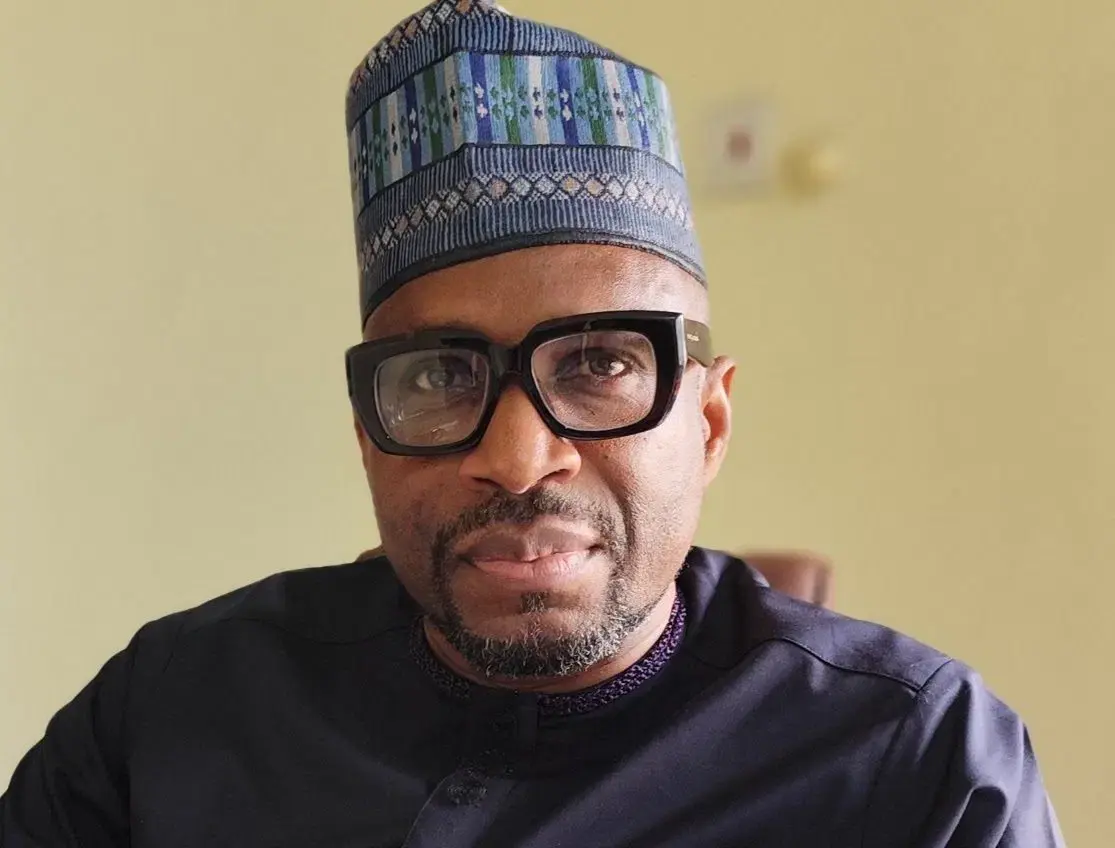
According to Managing Director Chuks Chibundu, the overhaul is the product of years of listening. Patients complained that the app slowed down on mobile data and struggled on less powerful smartphones. Doctors, for their part, were tired of spending consultation time collecting information patients had already given in earlier visits.
“The app has been in people’s hands for years. What changed is that we built the version those years of usage were telling us to build.” — Chuks Chibundu, Managing Director, Doctorcare247
The biggest change happens before the consultation even begins. A new AI-powered pre-consultation step gathers a patient’s symptoms and medical history in advance, so patients no longer have to retell their story from the beginning, and doctors start each consultation with the relevant background already in front of them. Chibundu is clear that the technology supports clinical judgement rather than replacing it: the doctor stays at the centre of the consultation, while AI handles information-gathering and preparation.
The app has also been re-engineered for the conditions many users live with every day: low-bandwidth networks and entry-level smartphones. Registration is simpler, and patients’ consultation history is now retained. On the other side of the screen, doctors get a redesigned dashboard, pre-populated patient information, faster prescribing and streamlined referrals.
Users can now move straight from consultation to cover. Two insurance plans, CarePlus Basic and CarePlus Premium, are integrated into the application, allowing patients to arrange healthcare coverage without ever leaving the platform.
The relaunch arrives as remote care moves to the centre of Nigeria’s healthcare conversation. Access remains held back by long travel times, congested hospitals and cost. Yet on 19 September 2026, the country marked a historic first: a surgical team at Redeemer’s Health Village (RHV) in Ogun State performed Nigeria’s first tele-robotic surgery, operating on a patient roughly 500 kilometres away at Nisa Premier Hospital, Abuja, using a Toumai robot from RoboMed Global over a Starlink connection.
“Distance should never decide who receives safe surgery; this is what safe and trusted surgery looks like,” said Professor Obi Ekwenna-Davis, who led the procedure.
The breakthrough also shows the distance between what is possible and what is widely available. Observers noted that scaling such technology depends on dependable internet, stable power and enough trained specialists, all still in short supply across much of the country. That is exactly the gap telehealth providers say platforms such as theirs work to close every day, through virtual consultations and remote follow-up care.